Discover Joule
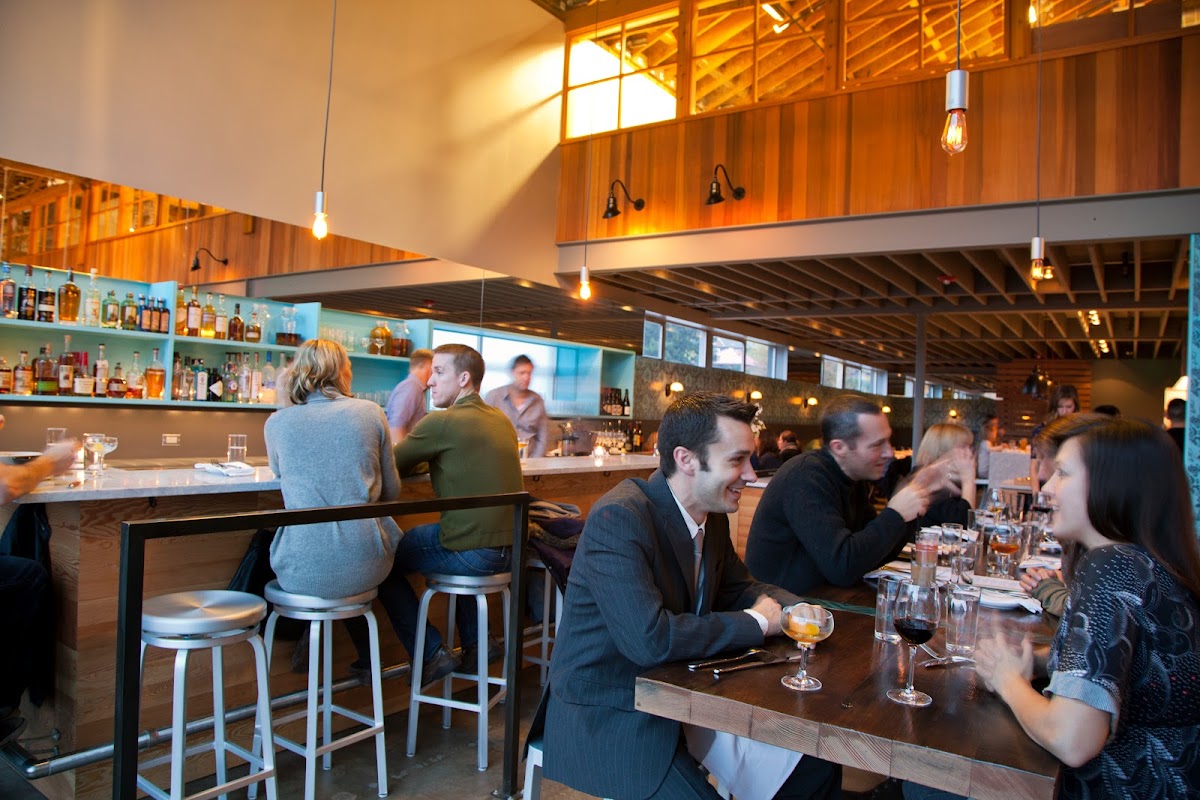
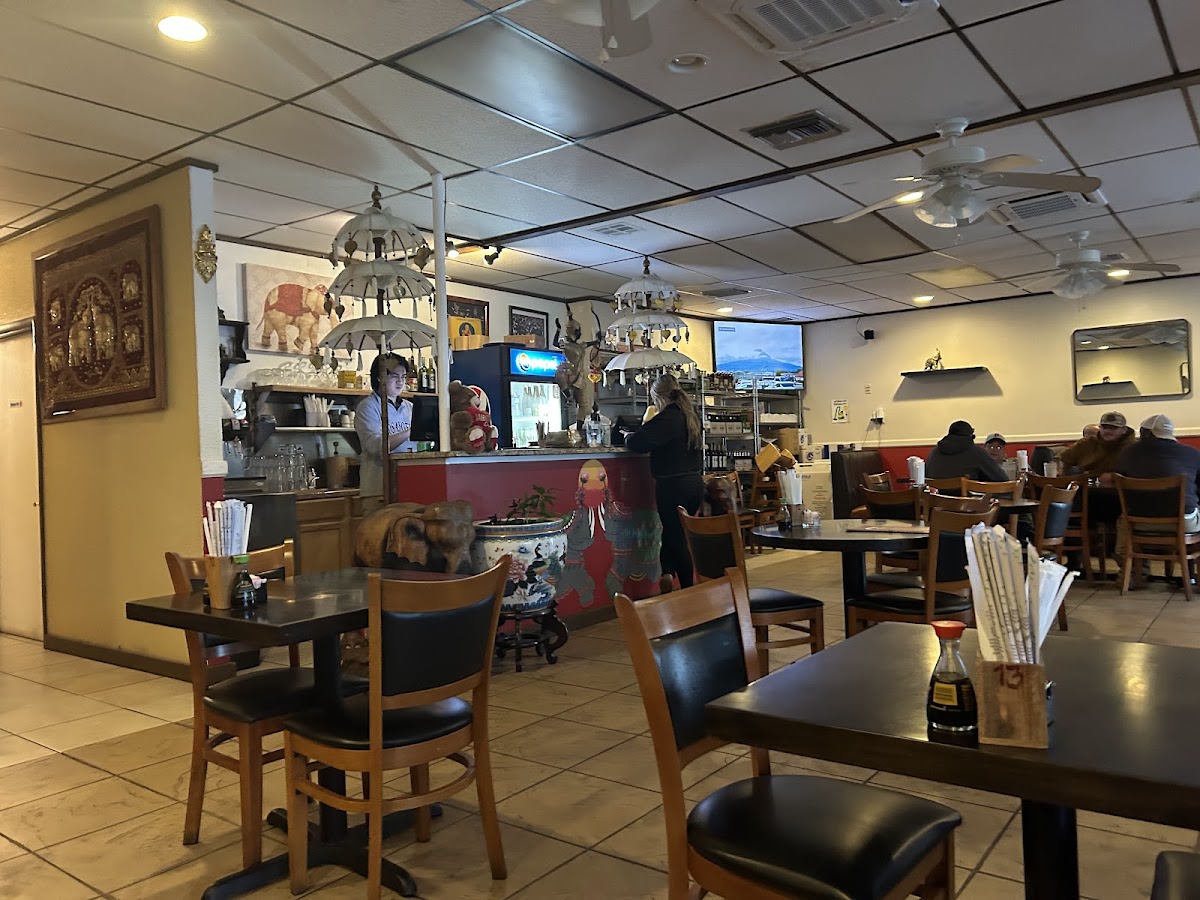
Walking into Joule for the first time feels like stepping into a place that knows exactly what it is and doesn’t try too hard to prove it. Located at 3506 Stone Way N, Seattle, WA 98103, United States, this Fremont-area spot has built a loyal following over the years, and after multiple visits of my own, it’s easy to see why. The room hums with energy, conversations bounce off exposed brick, and the open kitchen keeps things honest. You smell caramelizing meat, fermented spice, and toasted sesame almost immediately, which sets expectations high before the menu even lands on the table.
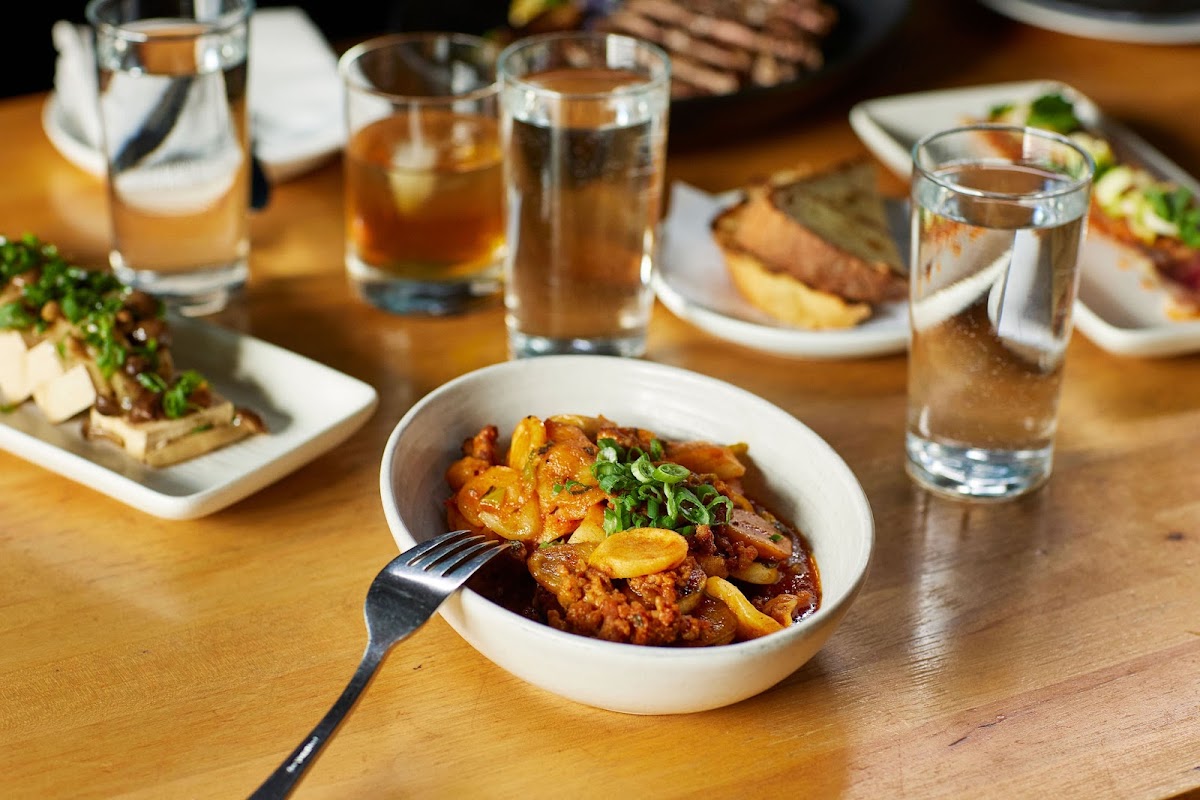
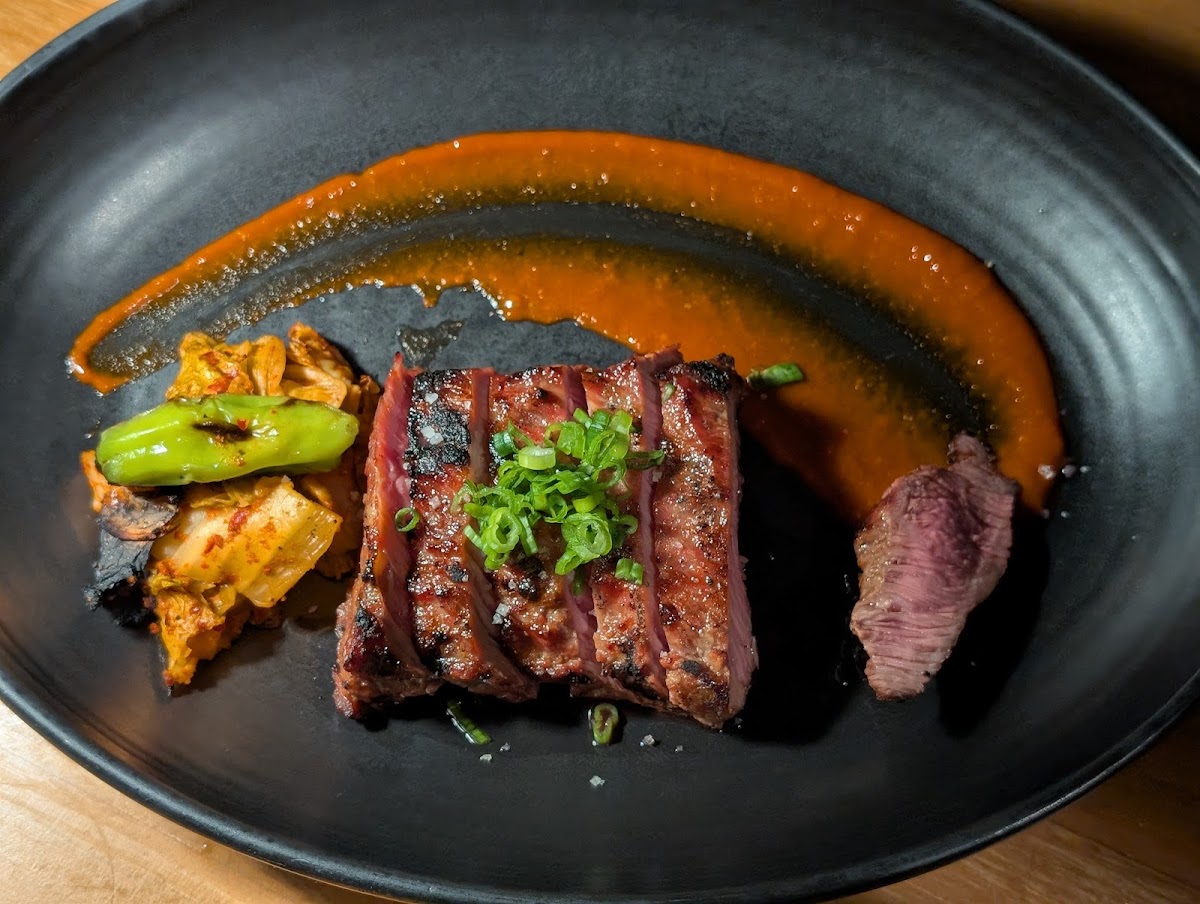
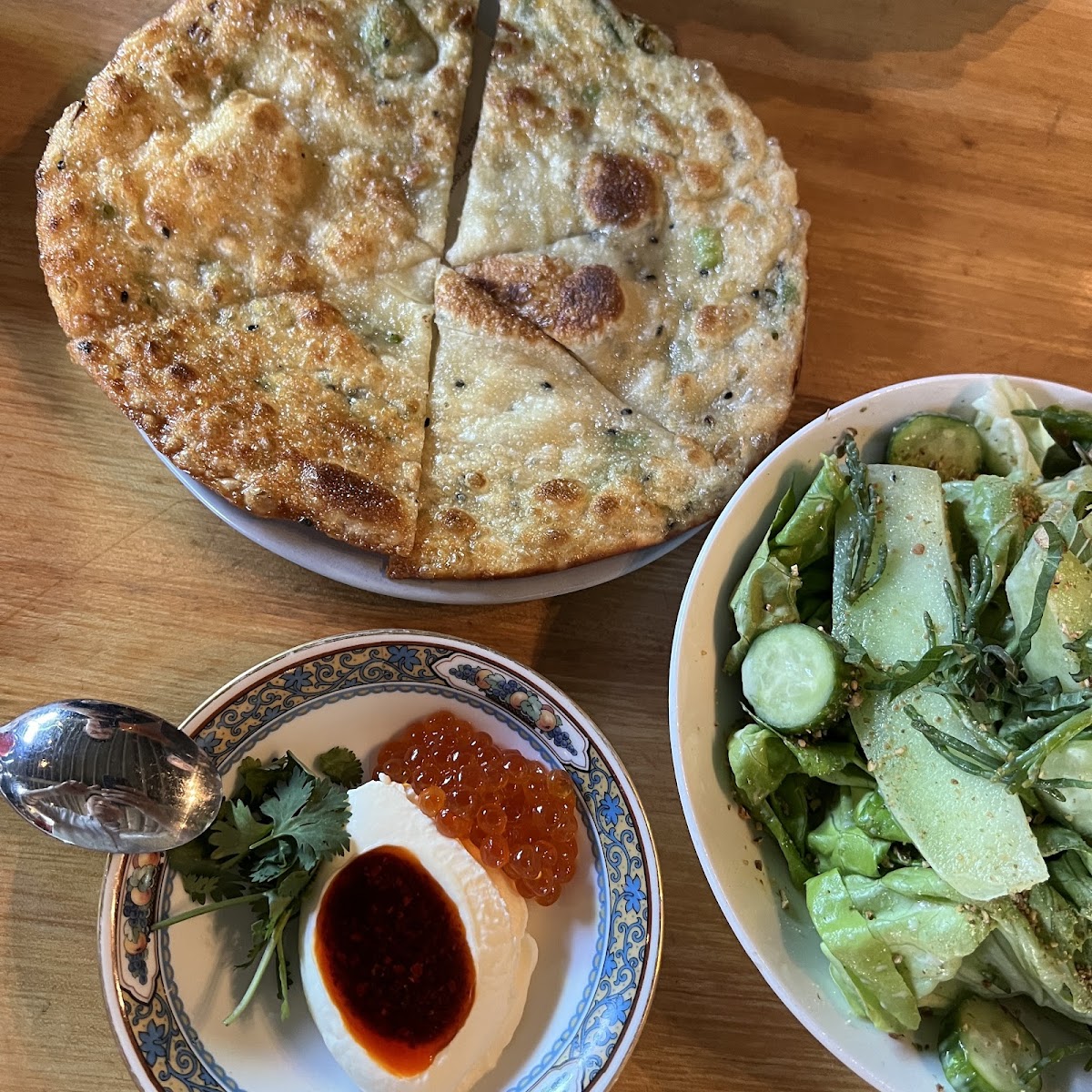
My first experience here was during a quiet weekday dinner, and what stood out wasn’t just the food but how confidently everything was executed. The menu leans Korean-inspired with modern technique, a style often described as bold flavors with refined balance, and that description holds up in practice. Dishes like the soy-braised short ribs show careful temperature control and timing, a process chefs often reference when discussing collagen breakdown in tougher cuts of meat. According to culinary research published by the Institute of Culinary Education, slow braising at controlled heat preserves moisture while intensifying flavor, and that science is clearly at work here.
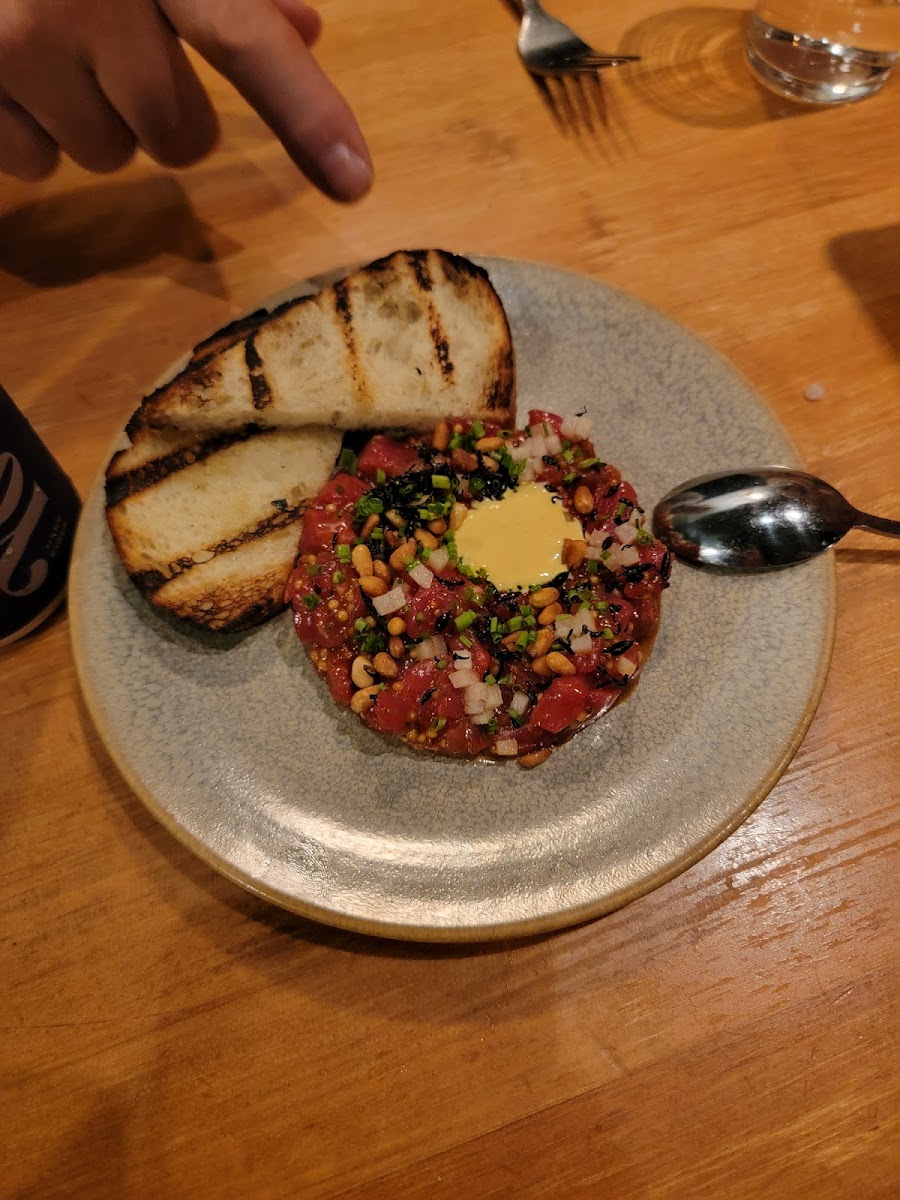
Over time, I’ve returned with different groups, and the experience has stayed consistent, which matters more than people realize. Consistency is something restaurant consultant Danny Meyer often highlights as a core marker of trust in dining, and this place nails it. Whether it’s a packed Friday night or a slower Sunday evening, plates arrive with the same attention to detail. The steak tartare, for example, balances richness and acidity with pickled components that reset your palate between bites, a method commonly used in Korean cuisine to enhance longevity of flavor during a meal.
The beverage program deserves its own mention. While not overly flashy, the drink list is thoughtfully curated to support the menu rather than compete with it. Fermentation-forward cocktails and restrained wine selections work well with umami-heavy dishes, which aligns with findings from food pairing studies by Cornell University showing that complementary flavor compounds increase perceived satisfaction. I’ve personally found the staff happy to guide you toward pairings, especially if you mention whether you lean toward smoky, crisp, or acidic profiles.
Reviews from longtime locals often mention how approachable the space feels despite the technical cooking, and that rings true. Service tends to be knowledgeable without crossing into scripted territory, and questions about sourcing or preparation are answered clearly. While the restaurant doesn’t publish exhaustive sourcing details, staff have acknowledged seasonal adjustments and regional suppliers when asked, which adds a layer of transparency even if not everything is documented publicly.
There are a few limitations worth noting. Seating can feel tight during peak hours, and reservations are strongly recommended if you’re aiming for dinner on weekends. The menu also isn’t designed for extreme customization, so diners with strict dietary restrictions may want to check ahead. That said, flexibility does exist, and servers usually communicate clearly about what can and can’t be adjusted.
After years of dining around Seattle, this remains one of those places I suggest when someone asks for something memorable but not intimidating. The combination of technical skill, thoughtful menu development, and steady execution places it firmly among the city’s most respected restaurants. It’s not chasing trends, and that restraint shows in every dish that leaves the kitchen, reinforcing why it continues to earn strong reviews from both critics and regulars alike.